Human Papillomavirus
HPV is a virus you can get during sex. Condoms don’t protect against HPV. Have you ever had sex? Then you may have the virus in your body.
HPV doesn’t usually cause any damage. And the virus goes away by itself. But some types of HPV can cause cancer later in life. Another type causes genital warts. In Curaçao, the HPV vaccine is offered to girls and boys as part of their childhood vaccine schedule. That greatly reduces the chance of developing cancer later in life.
Symptoms
You don’t usually notice you have HPV. Symptoms you may have are:
- Warts on your penis, vagina or anus. These are called genital warts
- Vaginal bleeding, perhaps after sex. That could be a symptom of cervical cancer. But this is very rare among young women. Usually, bleeding is caused by another STI, like chlamydia. Or something else that isn’t serious
Your symptoms might also be caused by something else. If you have any symptoms, go and see your doctor. Don’t wait too long before making an appointment.
HPV and cancer
There are different types of HPV. Some of these can lead to you developing cancer. Young women can get cervical cancer, vaginal cancer or vulval cancer. Young men can get cancer of the penis. And all young people can get cancer of the throat or anus.
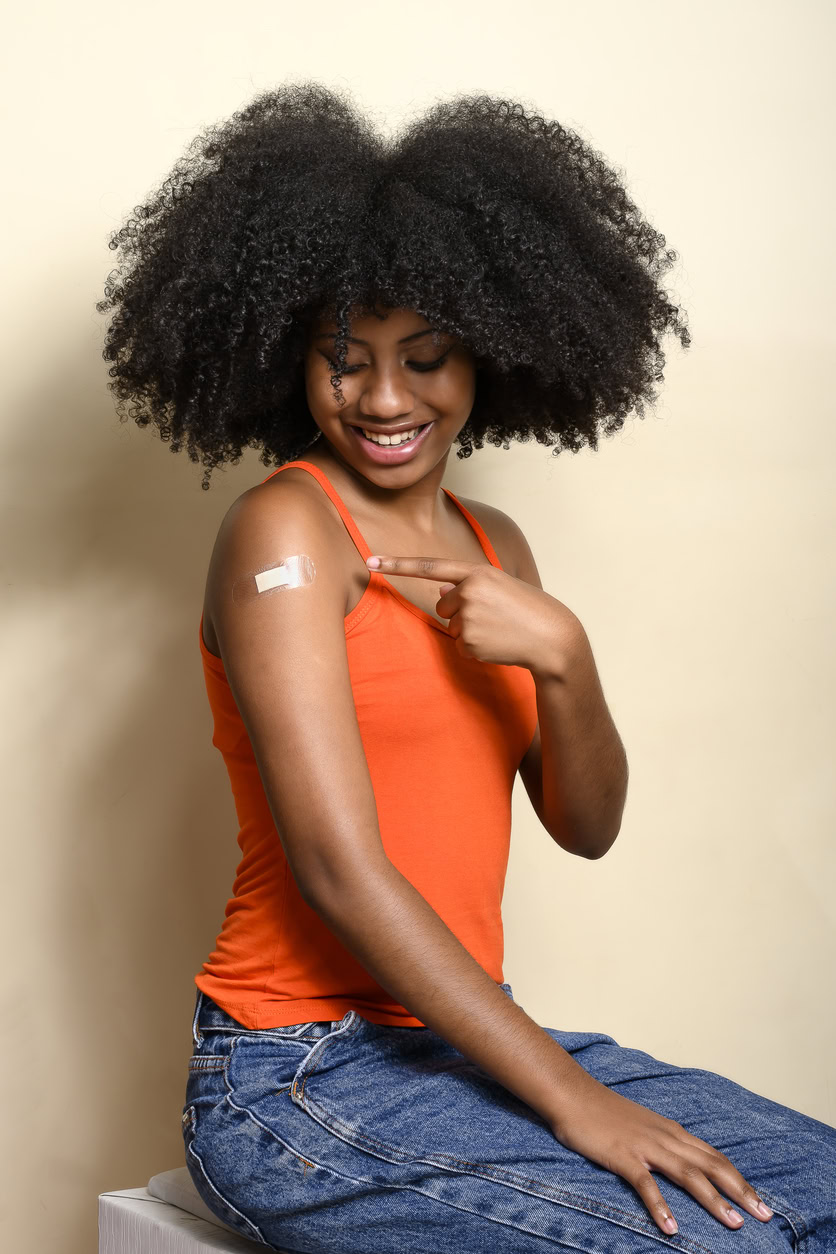
You can protect yourself by getting vaccinated: an HPV vaccination. Then there is much less chance of you developing cancer.
Do you have genital warts? These are caused by a different type of HPV. This HPV virus doesn’t increase the chance of cancer.
Treatment
HPV usually goes away by itself. So, you don’t need to go to the doctor or take any medicines.
HPV vaccination
You get vaccinated against HPV. Getting vaccinated will greatly reduce the chance of you developing cancer caused by HPV. As part of childhood vaccinations, children in Curaçao are offered a vaccine called Gardasil 4. This offers protection against HPV strains which are commonly associated with genital warts and cervical cancer.
If you have not received the HPV vaccine or want to learn more about it, contact CSGC.
Other Topics
Continue exploring your sexual health.

Trichomoniasis
Trichomoniasis, or trich, is an STI. It is passed on during sex, especially if you don’t use condoms. Sometimes you have symptoms, but often you...

Thrush/Candidiasis
Thrush is a yeast infection. Some yeasts have then grown too much in your body. On your vagina or penis, or perhaps in your mouth...

Pubic Lice
Pubic lice are tiny insects that can live on pubic hair. They are also called crabs. You may find them in your eyelashes, beard or...