Less reliable methods
If you are not ready to have children yet, then you definitely don’t want to get pregnant, or get a girl pregnant? Then it’s best to use reliable contraceptives like the pill, condoms or other methods of contraception. Read about the methods that are less reliable here.

1. Withdrawal
What you do: The man withdraws his penis from the woman’s vagina just before he ejaculates. Semen doesn’t enter the vagina.
Less reliable! Often semen is released before you think it is. So, this is a less reliable method.
2. Fertility awareness methods
Length of menstrual cycle
What you do: You don’t have sex on days when the woman is most likely to get pregnant. Women who have regular periods can mark those days on a calendar. How does that work? Ovulation happens around 14 days after the last day of the last period. That’s when you’re most likely to get pregnant. The chance that an egg will get fertilized is less likely on other days, but it is still possible to get pregnant then too because sperm can survive in the female body for around 5 days!
Less reliable! Ovulation is not always on the same day. Perhaps because you’ve had flu or some stress.
So, it’s very difficult to predict when you’re most likely to be fertile. Your body has its own rhythm, so it doesn’t work like a clock or a computer.
Body temperature
What you do: You don’t have sex on days when the woman is most likely to get pregnant. You predict which days these are by taking your temperature. How does that work? On the days you’re fertile, your body temperature is a bit lower than on other days. So that’s when you don’t have sex.
Less reliable! Your body temperature can be affected by all kinds of things, like sport or exercising, the weather, a cold or drinking alcohol. Lots of women and girls ovulate irregularly. Your body has its own rhythm, so it doesn’t work like a clock or a computer.
Cervical mucus monitoring
What you do: You don’t have sex on days when the woman is most likely to get pregnant. Your cervical mucus gives you an indication. How does that work? The type of mucus in your vagina tells you how fertile you are.
Less reliable! This method is less reliable. The amount of cervical mucus can be affected by many different things.
3. Natural Family Planning (combined methods)
What is it?
You can also combine the fertile days methods. This increases the chance that you will predict ovulation correctly.
Example: When do you ovulate?
- You keep track of when you have your period for a few months. At the same time, you take your temperature every morning. Keep track of all of this.
- If your temperature drops, you have just ovulated. See if this happens at the same time every month. Now you can predict ovulation.
- Check your vaginal discharge around the time of expected ovulation. Is your discharge clear and elastic? Then ovulation is coming.
Why is it less reliable?
- It is a lot of work and quite difficult to do this carefully every day.
- It is difficult to understand how to predict ovulation with this method. The advice is to follow a course for this.
- When you are young, your periods are not yet regular. It is therefore difficult to predict ovulation.
If you definitely do not want to get pregnant, choose contraception. Then you know for sure that you have a reliable method to prevent pregnancy.
When are these methods suitable?
These 4 natural methods are only suitable if:
- You and your partner would only have sex on days when there’s the least chance of pregnancy.
- Neither of you would mind if you became parents.
- You get your period at exactly the same time every month.
- You are aware of your menstrual cycle at different times of the day.
- You have a healthy and steady lifestyle.
Good protection against pregnancy
Want to prevent pregnancy? Then take the pill, use condoms or try another reliable method of contraception.
Other Topics
Continue exploring your sexual health.

Abstinence
Abstinence means choosing not to have sex, which is the only 100% effective way to prevent pregnancy and STIs. Some people practice full abstinence (no...
Caps and diaphragms
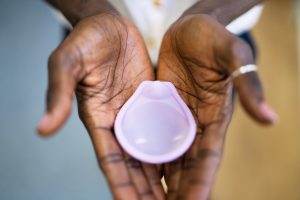
A diaphragm (or cap) is a soft, silicone dome that covers the cervix (the entrance to the uterus). If used properly, it is just as...

Contraceptive patch
The patch is a thin, flexible, plaster, measuring 4.5 x 4.5 cm. A contraceptive patch is just as reliable as the pill.