Coils – IUS and IUDs
Coils are a method of contraception. The coil is placed in your uterus. It is just as reliable in preventing pregnancy as the pill.
How do coils work?
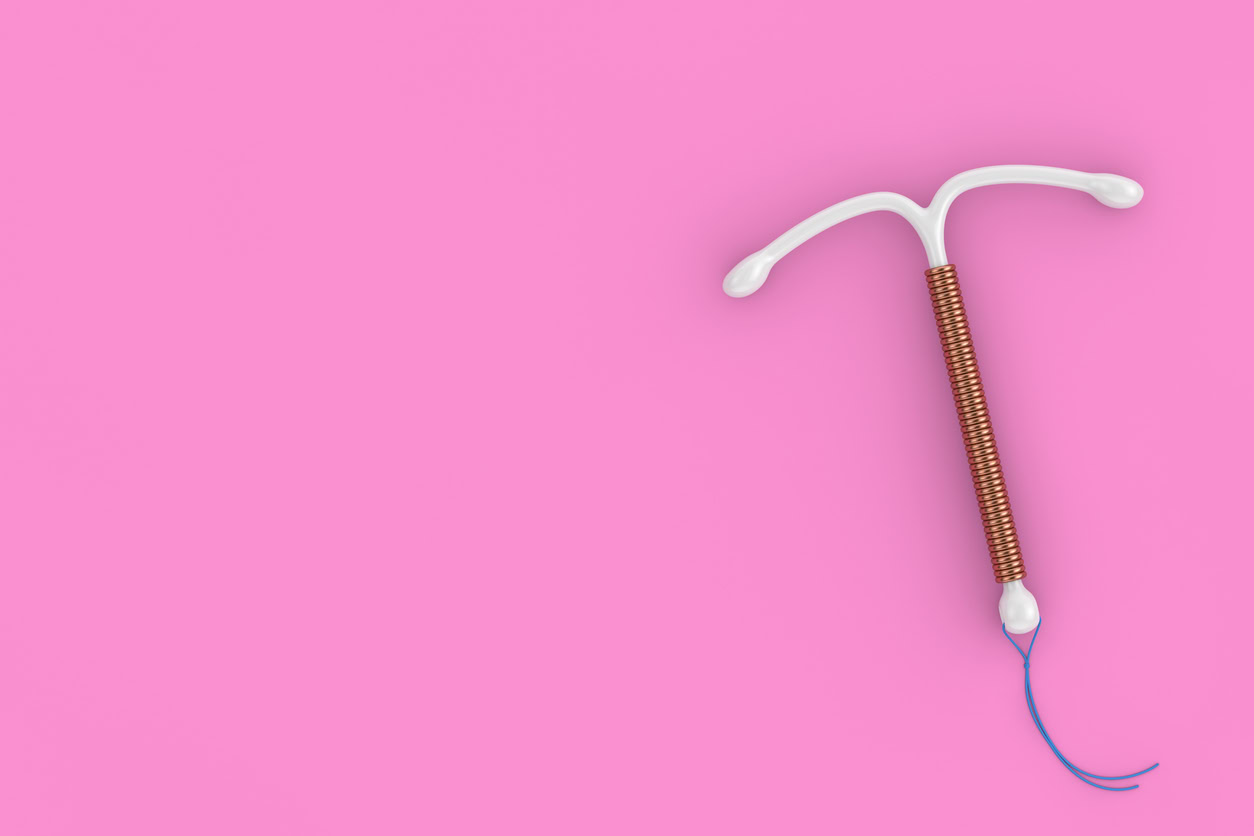
A doctor puts the coil into your uterus. It can stay there for several years. A coil protects against pregnancy. There are 2 different types:
1. IUS (Intrauterine System – a hormonal coil): the hormones in an IUS stops you getting pregnant. A hormonal coil prevents pregnancy for 5, 6 or 8 years. This depends on the brand.
2. IUD (Intrauterine Device – a coil): the IUD contains copper and that stops you getting pregnant. An IUD doesn’t contain any hormones. It prevents pregnancy for 5-10 years. This depends on the brand.
In theory, a coil is just as reliable as the pill. But actually, the coil is more reliable, because you don’t have to think about it all the time. That’s what makes the pill slightly less reliable, having to remember to take it every day.
Are there any side effects?
With an IUD, your period might be a bit more painful. You may also bleed slightly more.
When you first have an IUS, your body has to get used to the hormones the coil contains. Possible side effects of the hormones are:
- irregular blood loss
- headaches
- acne
- hair loss
- painful breasts
- low moods
- weight gain
Usually, the side effects disappear after a couple of months. If you’re having trouble with side effects, get in touch with your doctor.
How to go about it
- First decide which kind of coil you want: an IUS with hormones or an IUD with copper
- Make an appointment with a doctor or another healthcare professional. They will insert the coil into your uterus
- You can leave the coil in place for 5-10 years, depending on your choice
Advantages and disadvantages:
Advantages:
Both:
- Very reliable: you can’t forget a coil like you can forget the pill
- You only need to think about it once every 5-10 years
- A coil is even reliable if you vomit or have diarrhea
- Nobody can tell that you are using contraception
IUS:
- Your period is usually shorter, lighter and less painful. Sometimes your periods stop completely
IUD:
- If you do not want to take hormones, a coil that releases copper is a good option
Disadvantages:
Both:
- A doctor has to insert it
- Insertion can be a bit painful
- Some women have side effects
- You can’t plan or postpone your period with a coil
- A coil does not protect against STIs
- If you use a menstrual cup, you’ll need to release the vacuum before you take it out of your vagina. Otherwise, the coil might come out too
IUS:
- You may have irregular bleeding or spotting
- Some women have side effects from the hormones
IUD:
- Your period might be more painful and you may also have slightly more bleeding than before you had the coil
Where can you get a coil?
Your general practitioner can place an IUS or IUD. Alternatively, you can make an appointment at Fundashon Famia Plania. Usually, you will be asked to return for a follow-up appointment 4-6 weeks later. This is to check that the coil is still in the correct position. The IUS will cost around 95 guilders and the IUD will cost around 85 guilders.

Is your coil in place?
If you have a coil, you might wonder whether it’s still in place. Use your finger to check whether you can feel the threads. Take care not to pull on the threads.
Not sure if you can feel them?
Then use condoms for sex, just in case, and make an appointment to see your doctor, so that they can check the coil for you. Also arrange to see your doctor if you have a coil and get unexpected, heavy bleeds.
Be careful when using a menstrual cup! Because the cup sucks in to your cervix, you could pull out an IUD/IUS.
Squeeze the tip of the cup so it is no longer sucked in. Or put your finger between the cup and your cervix. Always check the cup before cleaning it.
When do you run the risk of pregnancy?
- If you were too late getting a new coil inserted (how often you have to do that depends on the type of IUS or IUD – it may be 5 or 10 years)
- If you have abdominal pain, but haven’t had your coil checked. Very rarely, an IUS or IUD is rejected by your uterus. In that case, it’s no longer reliable
STIs
Remember: a coil does not protect against STIs. To prevent STIs, you should use condoms.
Other Topics
Continue exploring your sexual health.

Less reliable methods
If you are not ready to have children yet, then you definitely don’t want to get pregnant, or get a girl pregnant? Then it’s best...

Abstinence
Abstinence means choosing not to have sex, which is the only 100% effective way to prevent pregnancy and STIs. Some people practice full abstinence (no...
Caps and diaphragms
A diaphragm (or cap) is a soft, silicone dome that covers the cervix (the entrance to the uterus). If used properly, it is just as...