What is an STI?
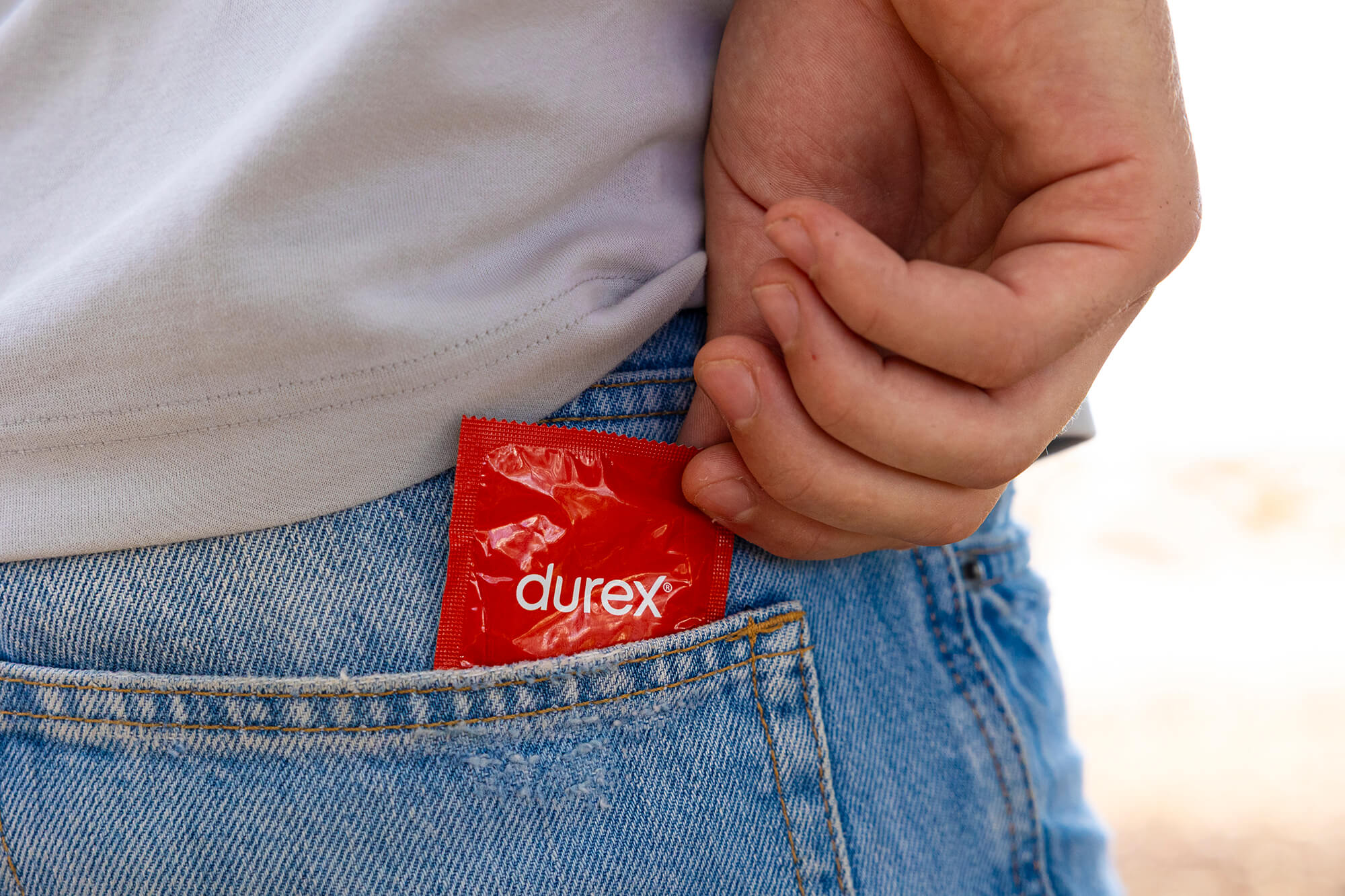
STIs are sexually transmitted infections. They are passed on during sex, especially if you don’t use condoms. You might have symptoms. But sometimes you won’t notice anything. Do you have an STI? Go to your doctor or the Center for Sexual Health Curaçao (CSGC) for an STI test.
Most STIs are caused by bacteria or a virus. But some are caused by tiny bugs called parasites or mites.
Bacterial STIs
These STIs are caused by bacteria:
Viral STIs
These STIs are caused by a virus:
Parasites
These STIs are caused by a parasite:
How do you get an STI?
STIs are passed on during sex, especially if you don’t use condoms. For example:
- When a penis goes into a vagina or anus
- During oral sex
STIs are usually found in the vagina, penis or anus. They can also be in your mouth or your throat.
STI signs and symptoms
If you have an STI, you may experience symptoms like these:
- Discharge or pus from the vagina, penis or anus (more than usual). The discharge may be watery, milky, yellowish or greenish. It may smell different
- A burning sensation, irritation or pain before or after peeing. Or often needing to pass small amounts of urine
- Sores, warts or blisters on the penis, vagina, anus or mouth
- Itching in the pubic hair, or on the labia, anus or head of the penis
- Swollen glands in your groin
- Pain in your testicles
- Pain in the lower abdomen
- Pain during sex
- Vaginal bleeding after sex. Even if it’s not your period
Do you have one or more of these symptoms? It might not be an STI. It could be something else. To know for sure, make an appointment with your doctor or at the CSGC.
Could it be an STI, with no symptoms?
You can have an STI without having any symptoms. You just won’t notice anything. And you can still pass it on to someone else during sex. To find out whether or not you have an STI, get tested.
Other Topics
Continue exploring your sexual health.
Syphilis
Syphilis is a less common STI. Men who have sex with men are the most likely to get infected. It is passed on during sex,...

HIV
HIV is an STI. It is passed on during sex, especially if you don’t use condoms. If you have HIV and are on treatment, you...

Hepatitis B
Hepatitis B is a liver infection. It is passed on during sex, especially if you don’t use condoms. It’s also spread through blood. You can...